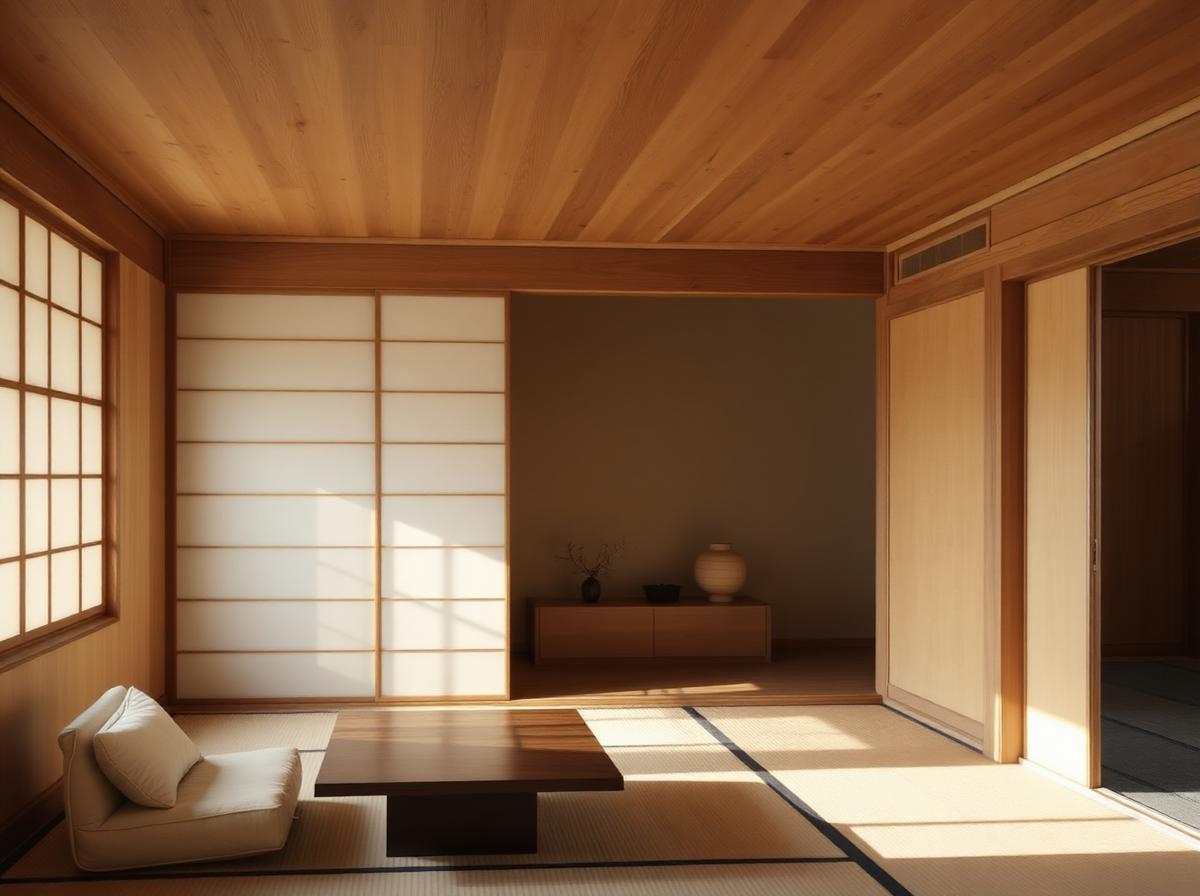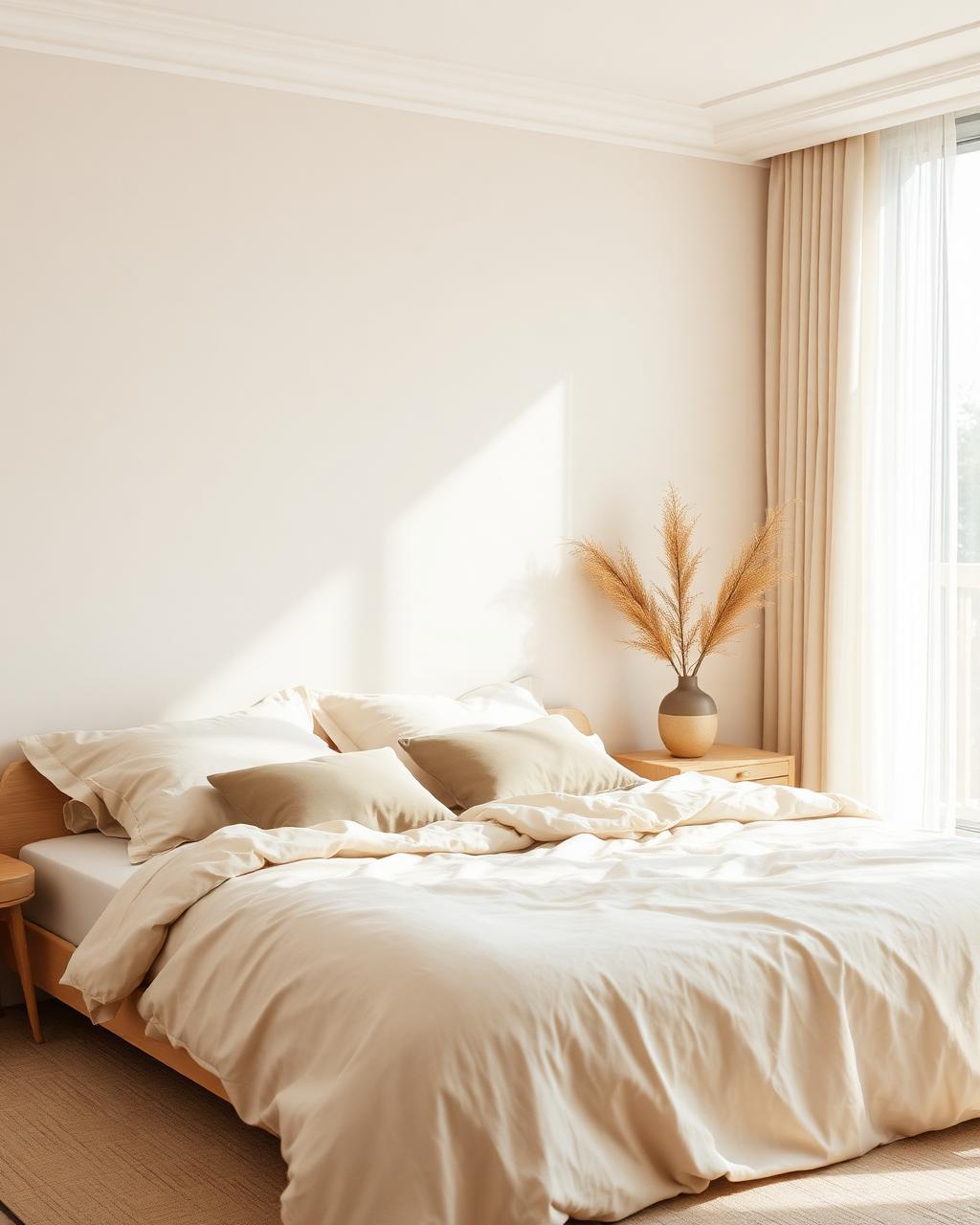
Luxury, for a long time, was a vocabulary of accumulation — gilded surfaces, layered textiles, the soft pressure of objects asking to be noticed. Today the most considered interiors speak in the opposite register: composition through subtraction, presence through pause.
The discipline of restraint
Negative space is not absence. It is the architectural breath between gestures, the silent corridor that allows a single Brâncuși-inflected stool or a hand-thrown ceramic to register fully. When we strip a room down to what is essential, the remaining objects gain weight; the eye finally has somewhere to rest.
“The wall, the air, the shadow — these are materials too. We design them with the same intention as travertine or oak.”
Material, light, and the pause between
In our recent Como villa, we removed almost a third of what the previous architect had specified. What remained — a Pietra Serena hearth, a single Hans Wegner armchair, the cool grain of unfinished plaster — became unforgettable. Restraint is not minimalism for its own sake; it is editorial discipline applied to space.
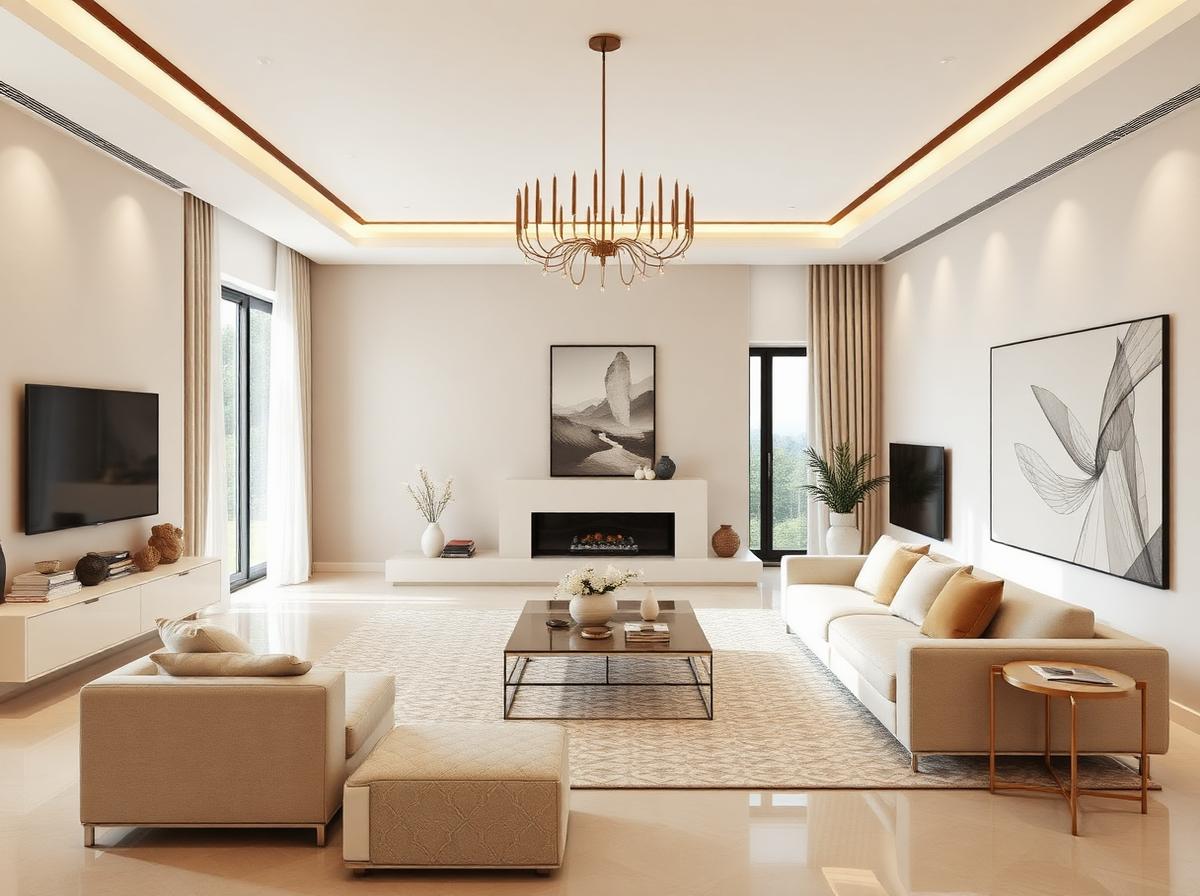
If there is a defining gesture of contemporary luxury, it is this: the confidence to leave things out. To trust the room to do its work without further argument.